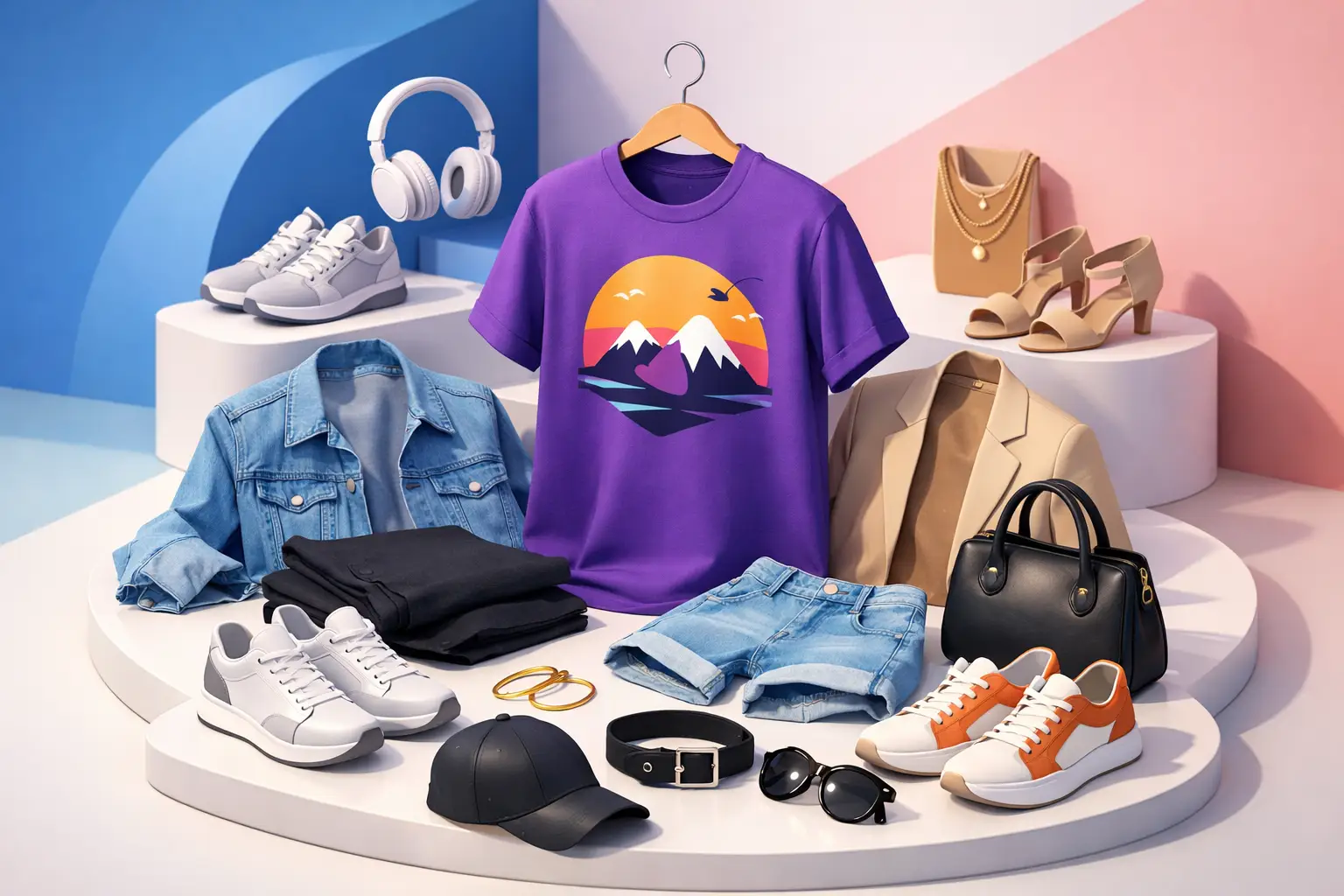
What to Wear With Statement Tees
Wondering what to wear with statement tees? Build sharper streetwear fits with denim, cargos, layers, sneakers, and the right balance.
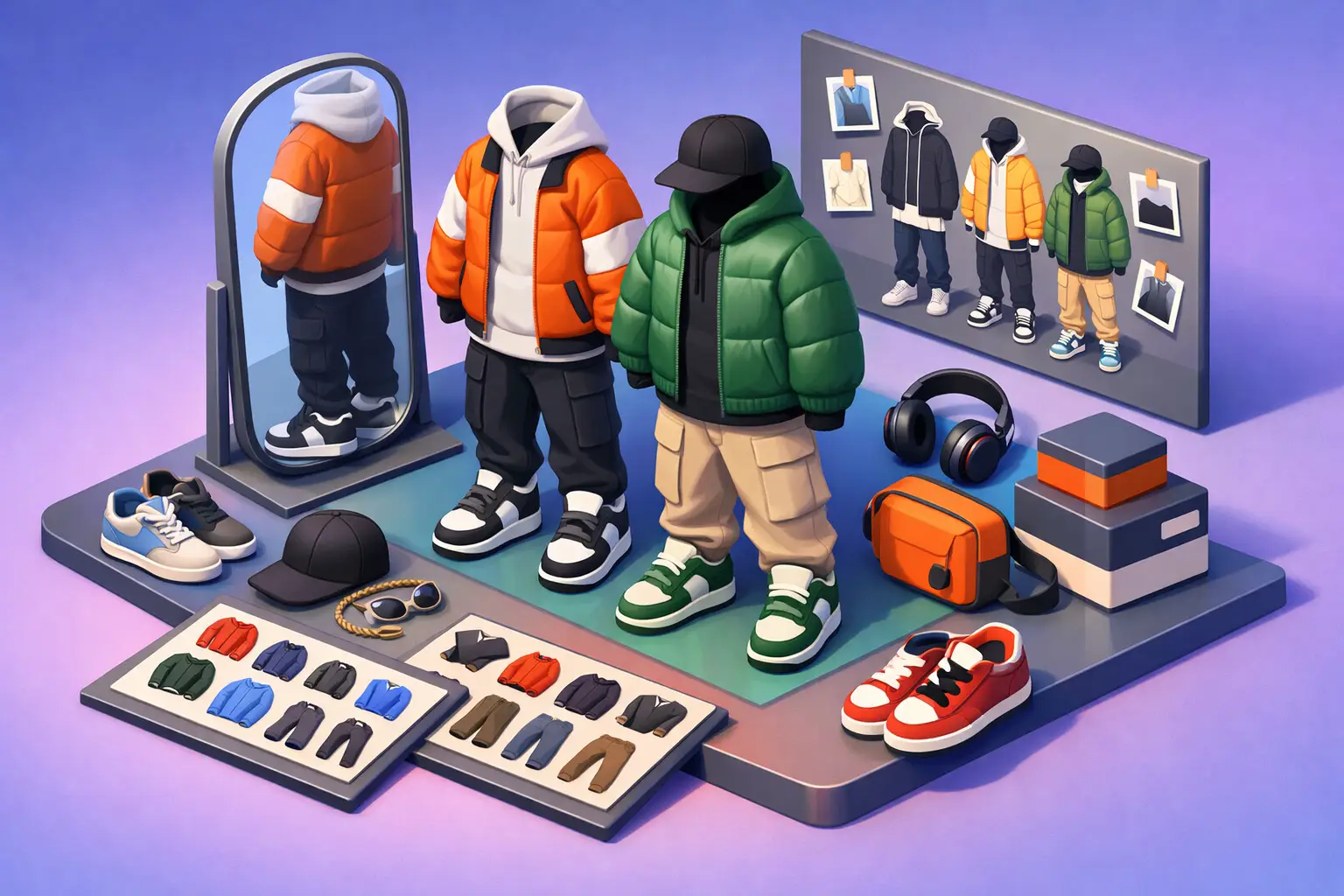
Streetwear Fit Guide for Beginners
Streetwear fit guide for beginners: learn how tees, hoodies, pants, and sneakers should sit so your outfits feel sharp, easy, and true to you.
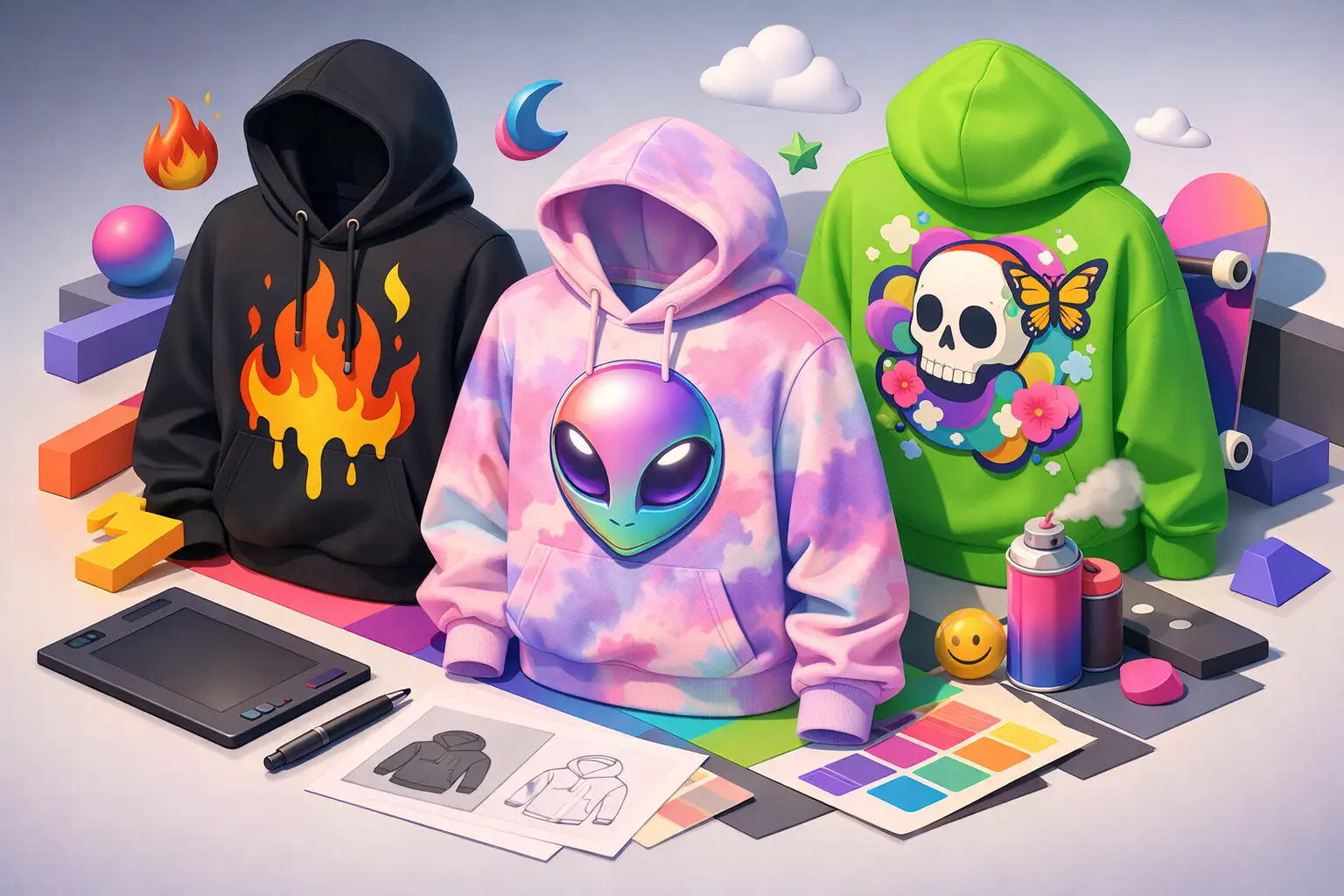
Graphic Hoodie Design Trends Right Now
Graphic hoodie design trends are shifting toward louder identity, sharper artwork, and smarter placement. Here’s what feels current now.

How to Find Your Fashion Voice
Learn how to find your fashion voice with clear style cues, sharper outfit choices, and a wardrobe that actually reflects who you are.
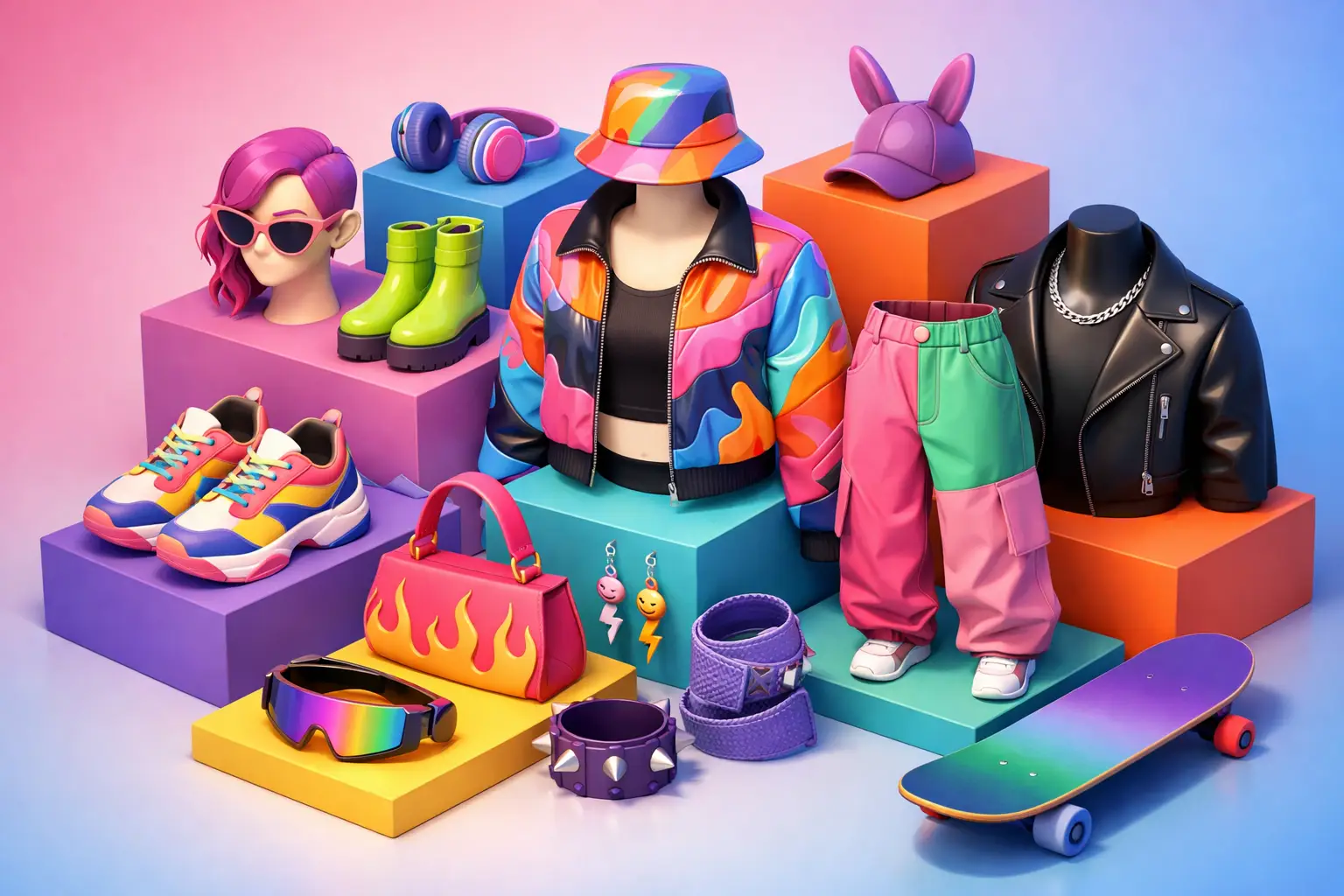
12 Best Expressive Clothing Brands Right Now
Looking for the best expressive clothing brands? These 12 labels stand out for bold design, identity-driven style, and real streetwear energy.
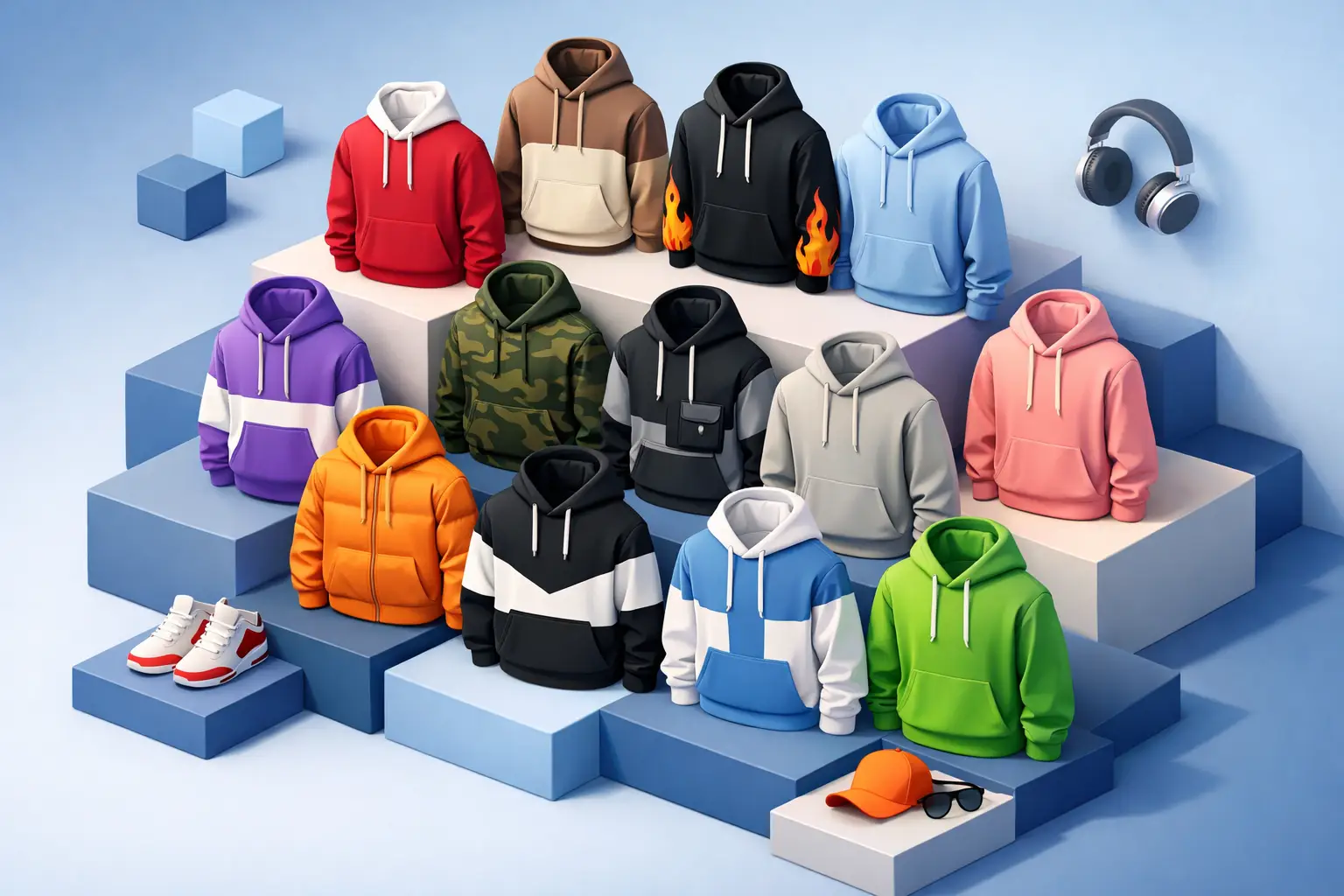
12 Best Streetwear Hoodies 2026
Looking for the best streetwear hoodies 2026? Here’s what matters now - fit, weight, graphics, quality, and which styles actually feel fresh.
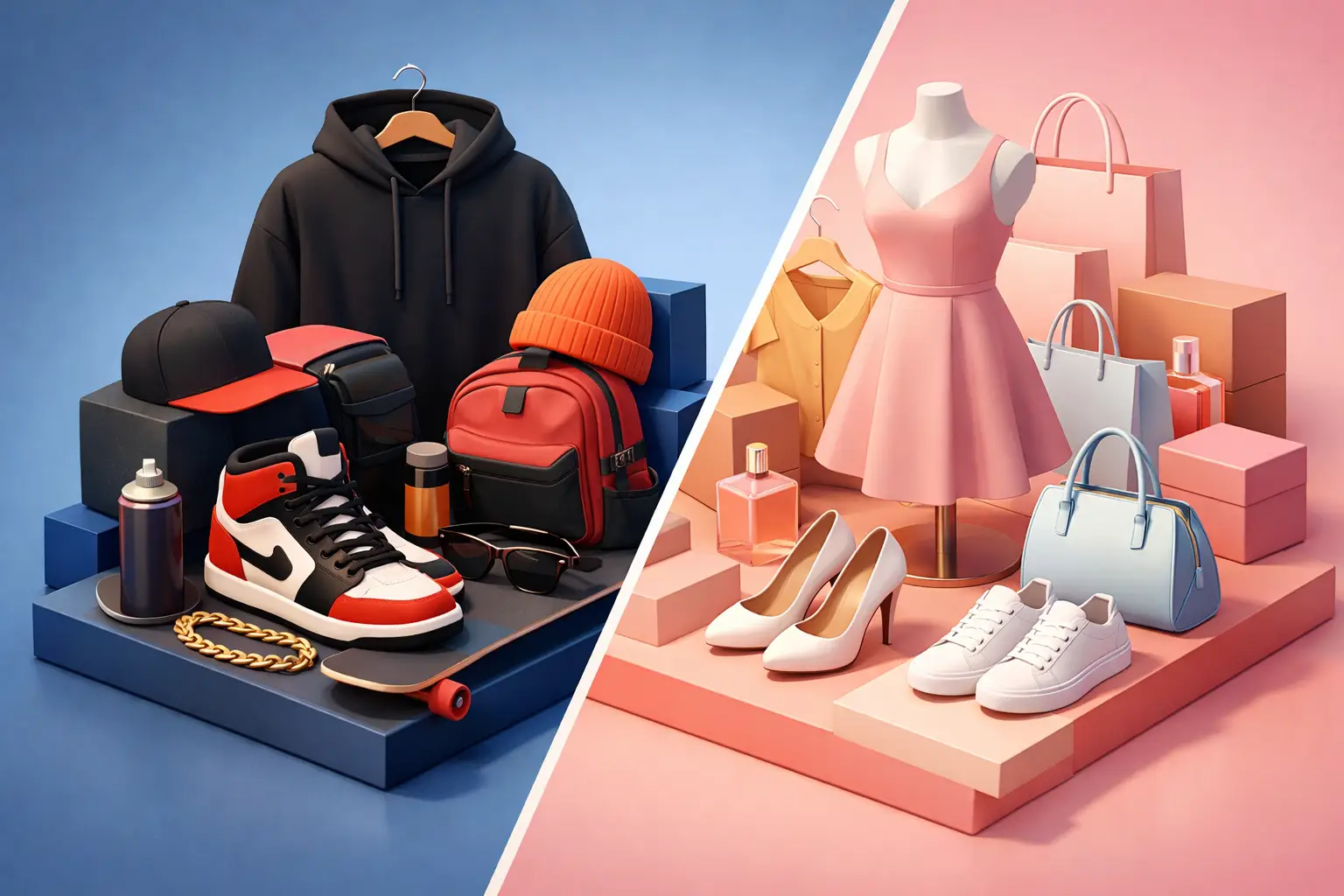
Streetwear vs Fast Fashion: What Sets Them Apart
Streetwear vs fast fashion comes down to identity, quality, and culture. Learn what separates statement style from disposable trends.

Graphic Hoodies That Actually Say Something
Graphic hoodies do more than keep you warm. They signal taste, attitude, and identity. Here’s how to wear them with real presence.
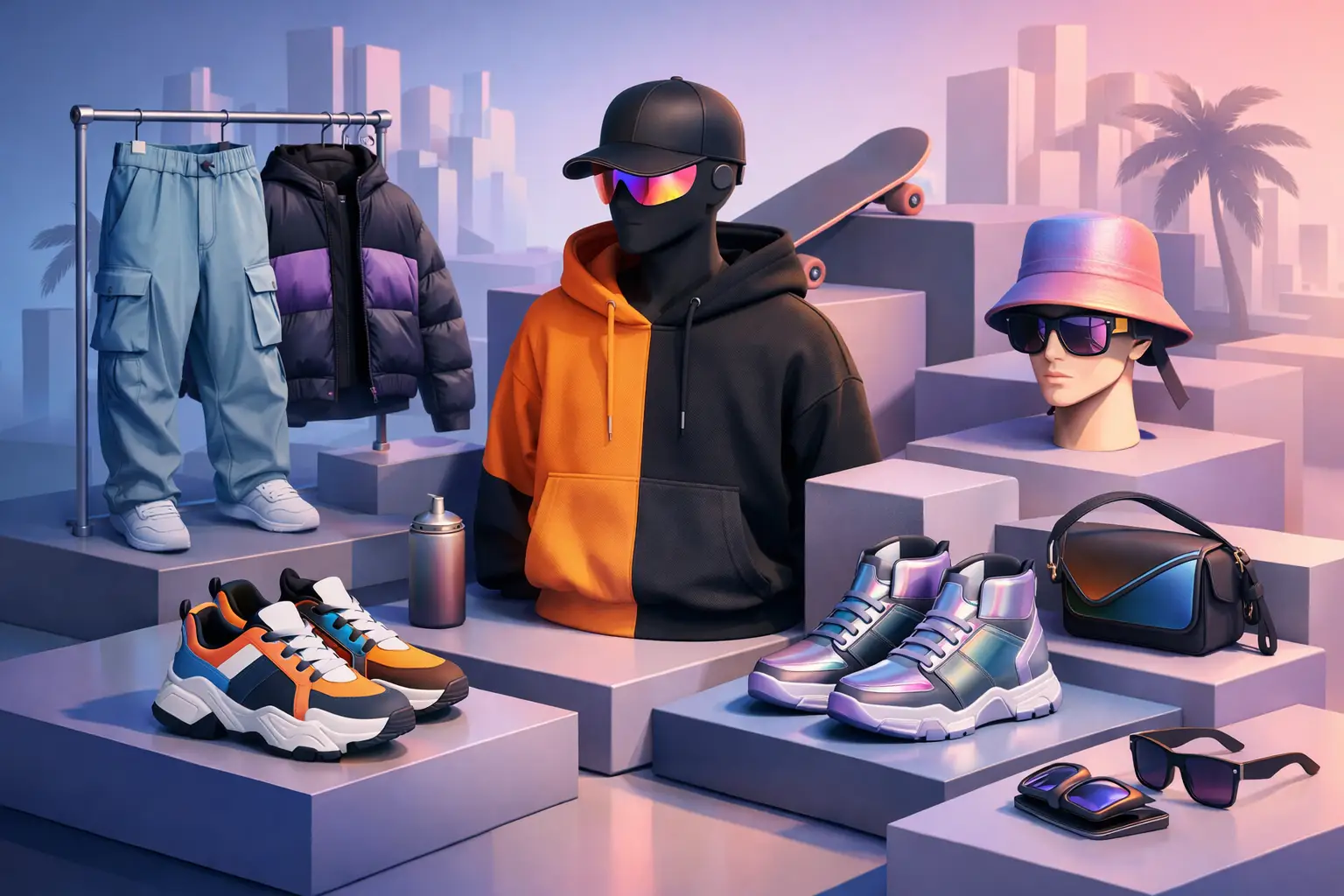
Streetwear Trends 2026 That Will Hit Hard
Streetwear trends 2026 point to louder graphics, smarter basics, sharper fits, and identity-first styling built for real culture, not hype.
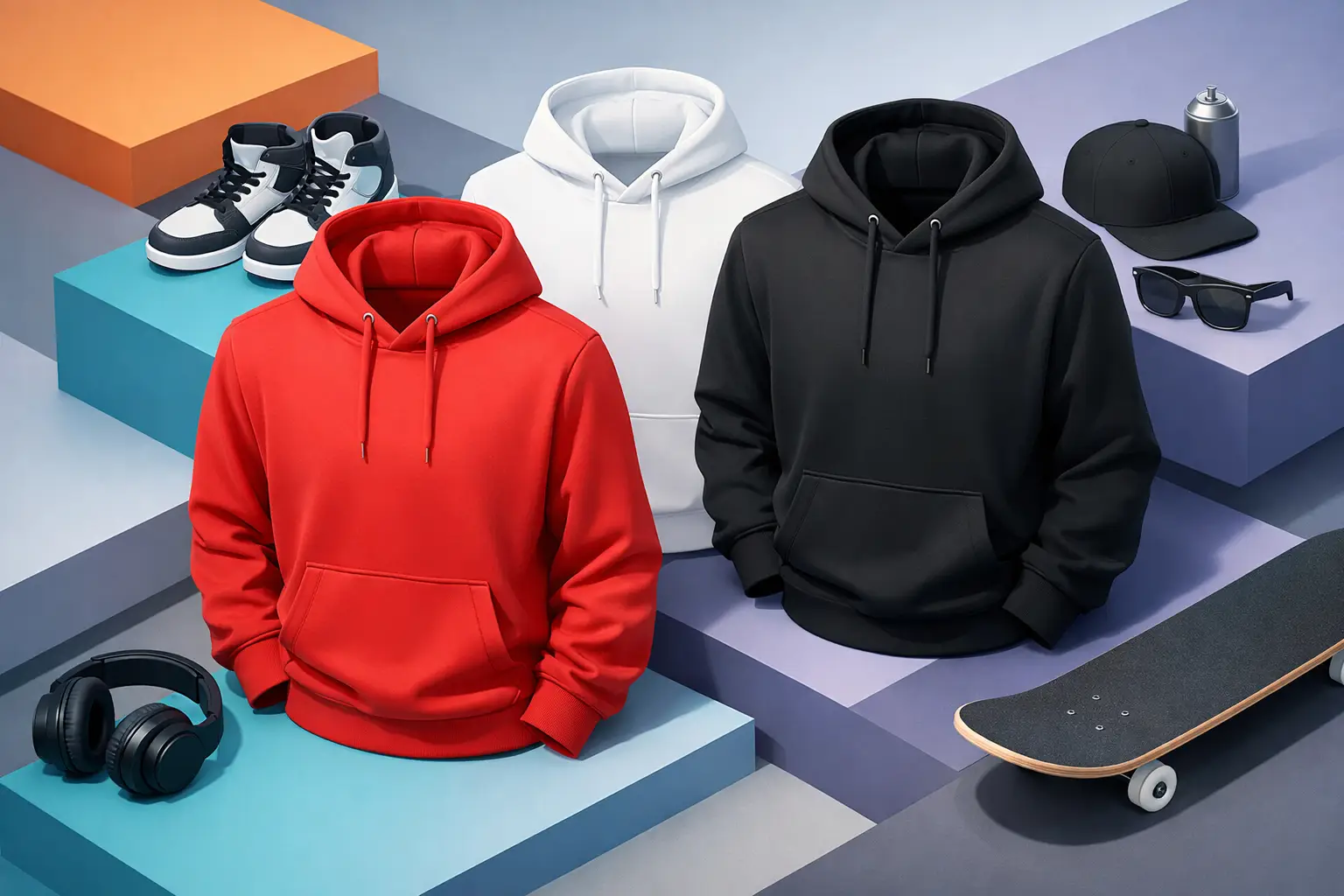
Premium Blank Hoodies Review for Streetwear
Premium blank hoodies review for streetwear buyers who care about weight, fit, fabric, and feel. See what matters before you spend more.
Why Do People Wear Streetwear?
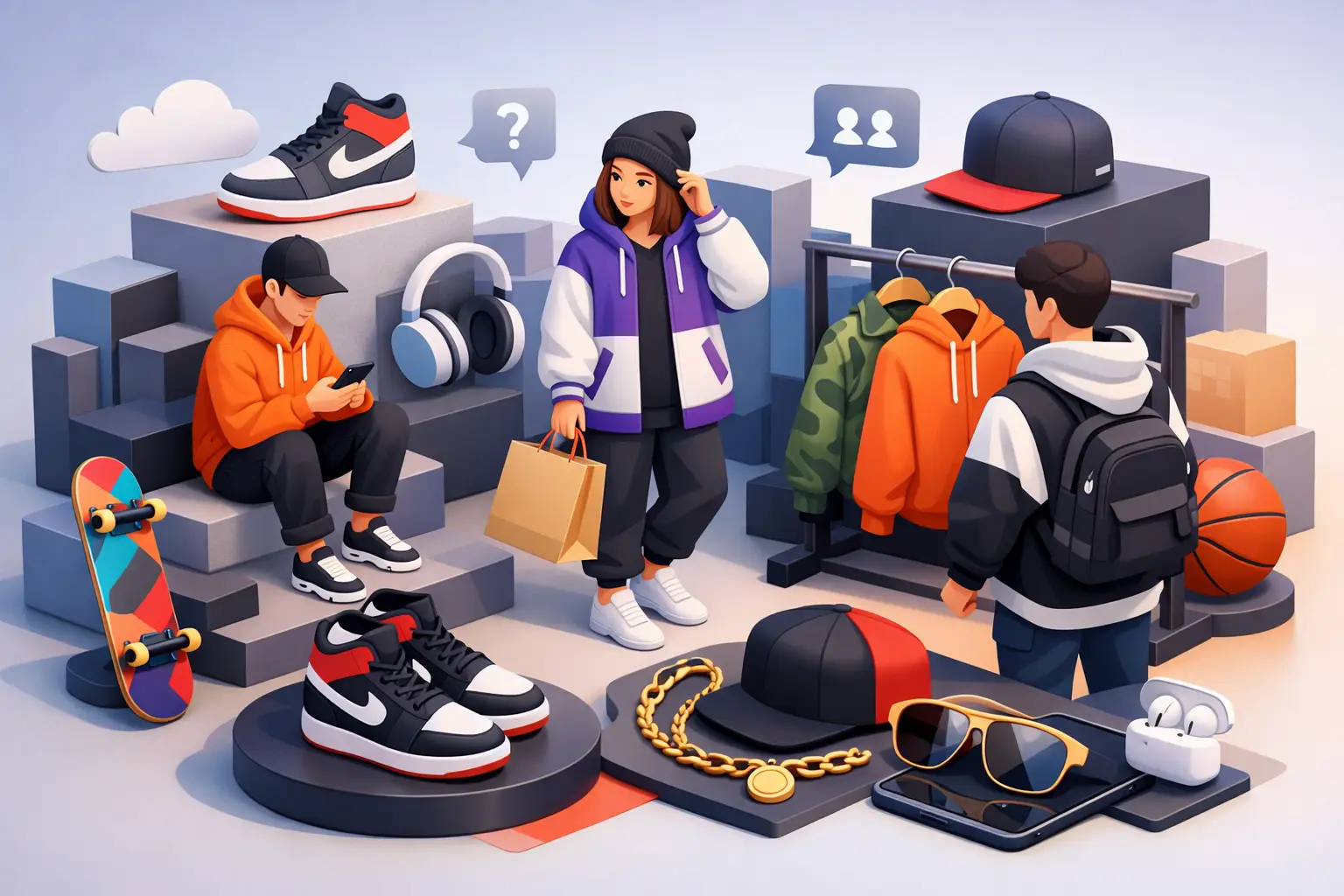
Why do people wear streetwear? It mixes identity, comfort, culture, and status into one look that says who you are before you speak.
Streetwear Sizing Guide Men Can Use
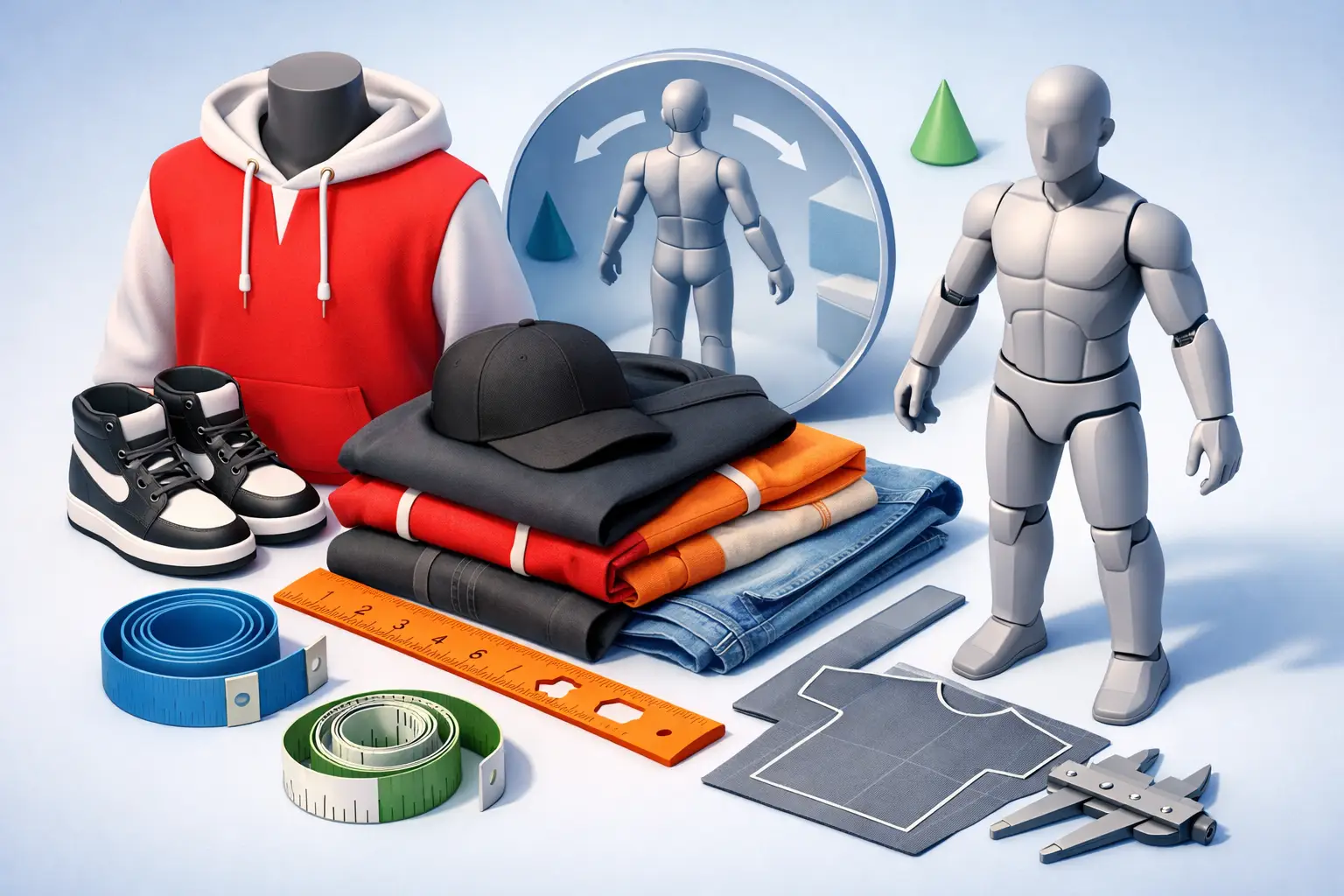
Streetwear sizing guide men can actually use - learn how tees, hoodies, cargos, and outerwear should fit so your look lands right every time.

Oversized Fit vs Regular Fit Explained
Oversized fit vs regular fit comes down to shape, attitude, and styling. Learn what each fit says and how to choose the one that fits you.
11 Minimalist Streetwear Outfit Ideas
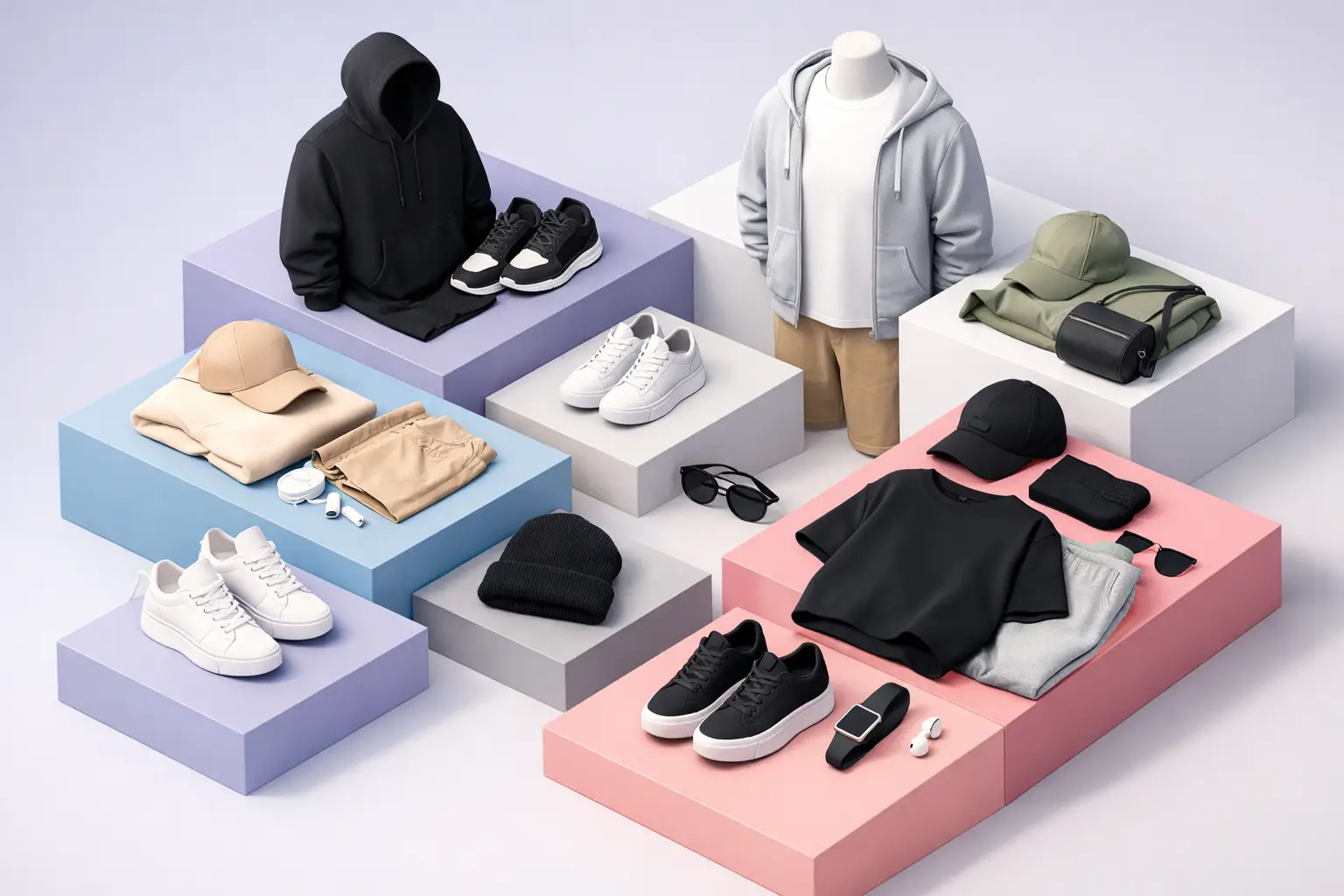
11 minimalist streetwear outfit ideas that feel clean, current, and expressive. Build sharper looks with less noise and better styling.
Where to Buy Unique Streetwear That Hits
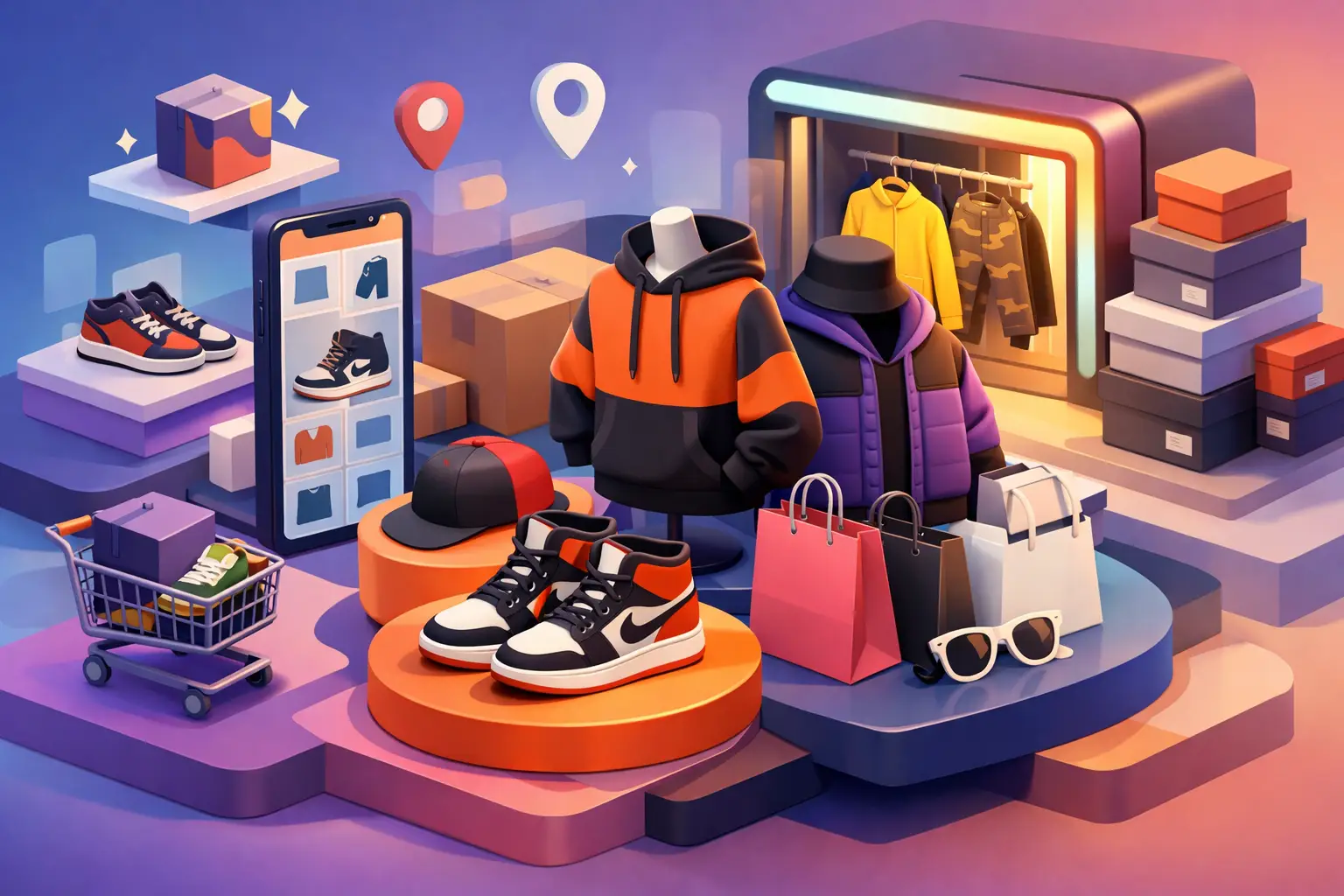
Wondering where to buy unique streetwear? Learn how to spot real originality, avoid hype traps, and shop brands with actual point of view.
11 Streetwear Brands for Gen Z That Hit
11 streetwear brands for Gen Z worth knowing now - from graphic-heavy labels to cleaner fits, with what makes each one feel real, not forced.
Best Graphic Streetwear Shirts That Hit Hard
Find the best graphic streetwear shirts for bold style, clean fits, and real statement value - not hype pieces that fade after one season.
Streetwear for Individuality That Hits Different
Streetwear for individuality means more than hype. Build a look that feels personal, sharp, and real without dressing like everyone else.

What Is Identity Design, Really?
What is identity design? Learn how visuals, voice, and attitude shape a brand people recognize, trust, and want to wear or rep.
12 Fashion Brand Identity Examples That Hit
12 fashion brand identity examples that show how labels build real presence through visuals, voice, product, and cultural point of view.
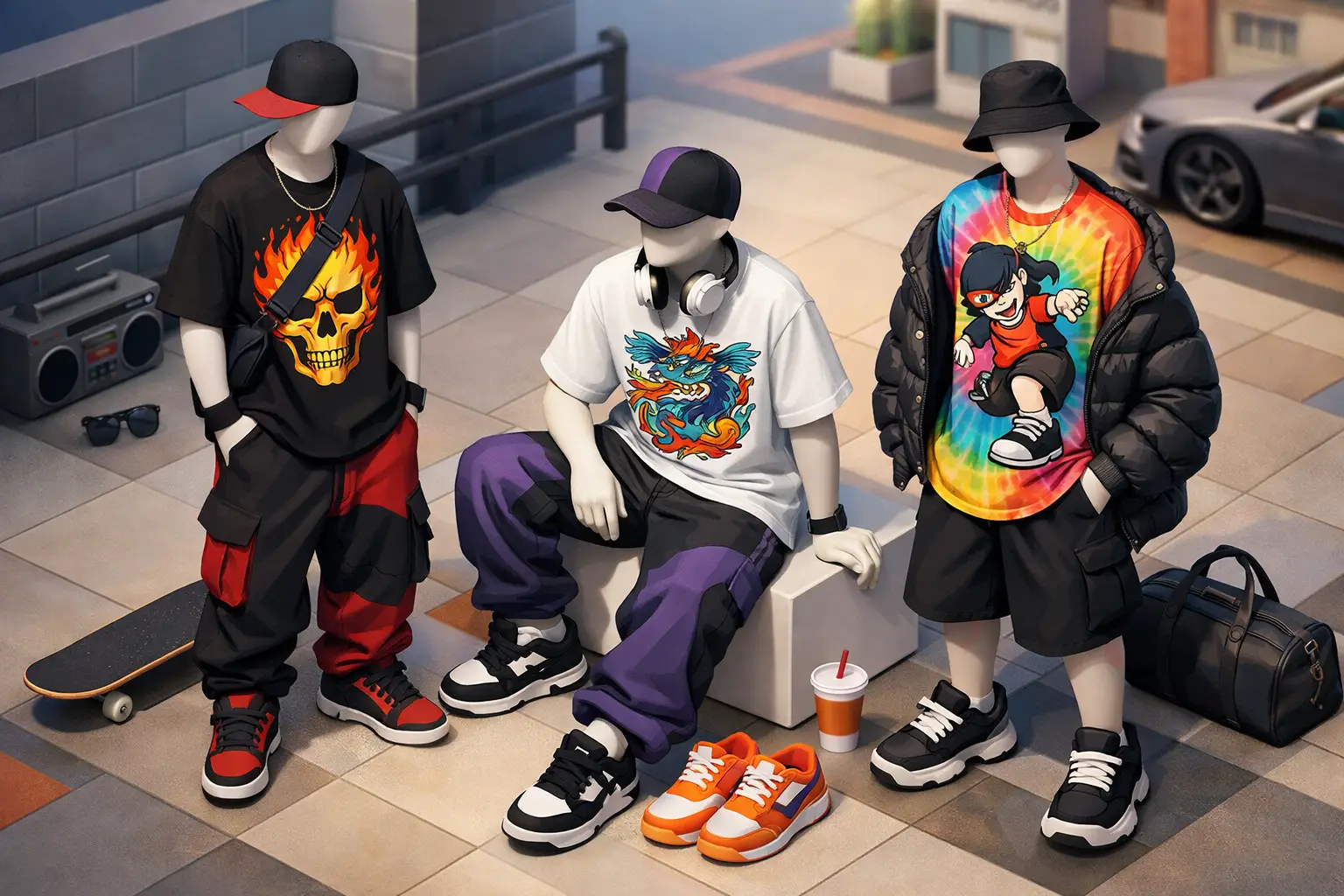
Streetwear Outfits With Graphic Tees That Hit
Build better streetwear outfits with graphic tees using smart layering, fit balance, color control, and sneaker-first styling that stands out.
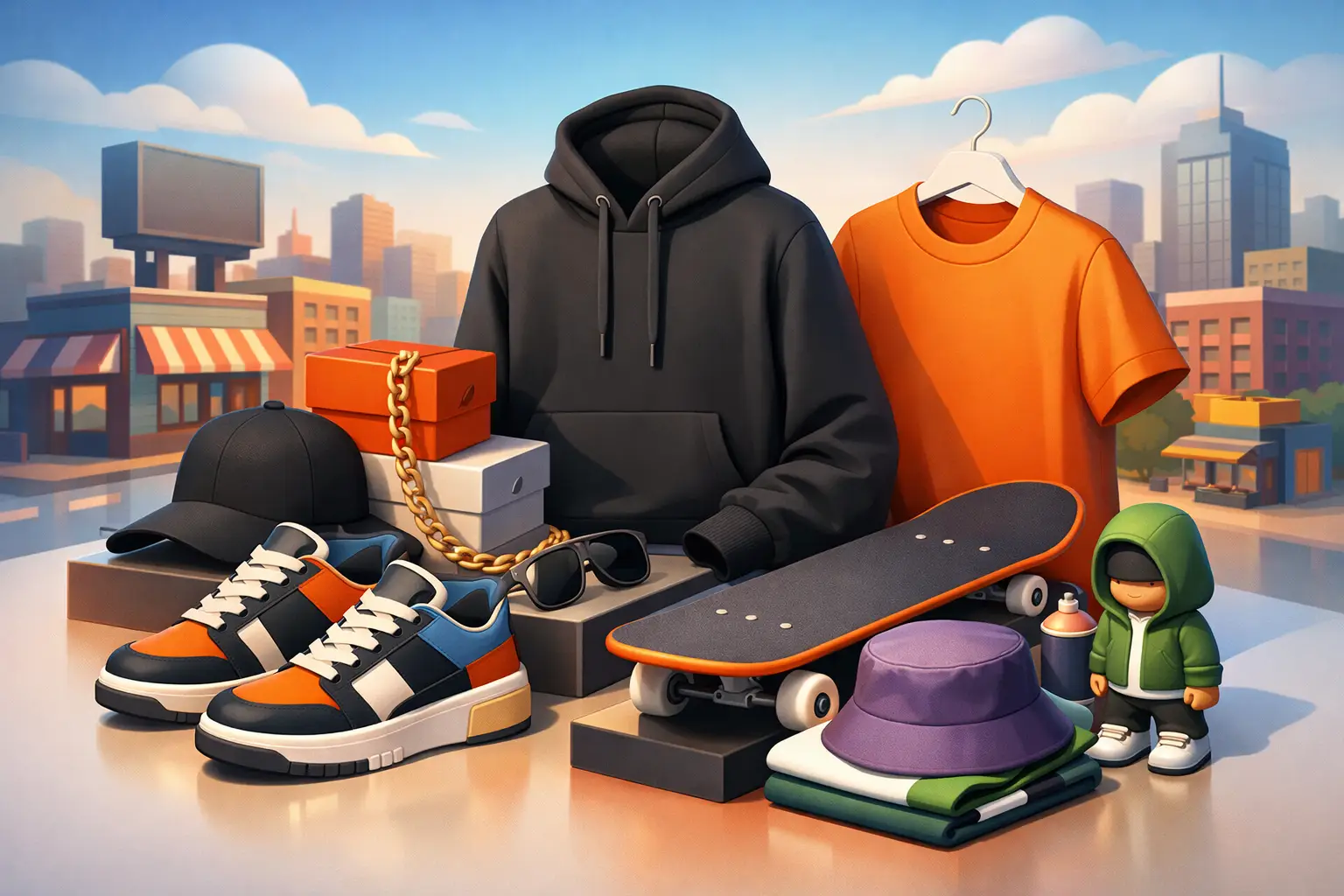
Why Independent Streetwear Brands Matter
Independent streetwear brands shape style, signal identity, and bring real voice to fashion in ways big labels usually can't match.

Clothing That Makes a Statement Works Hard
Clothing that makes a statement is more than a fit choice. It shows attitude, identity, and intent without saying a word out loud.
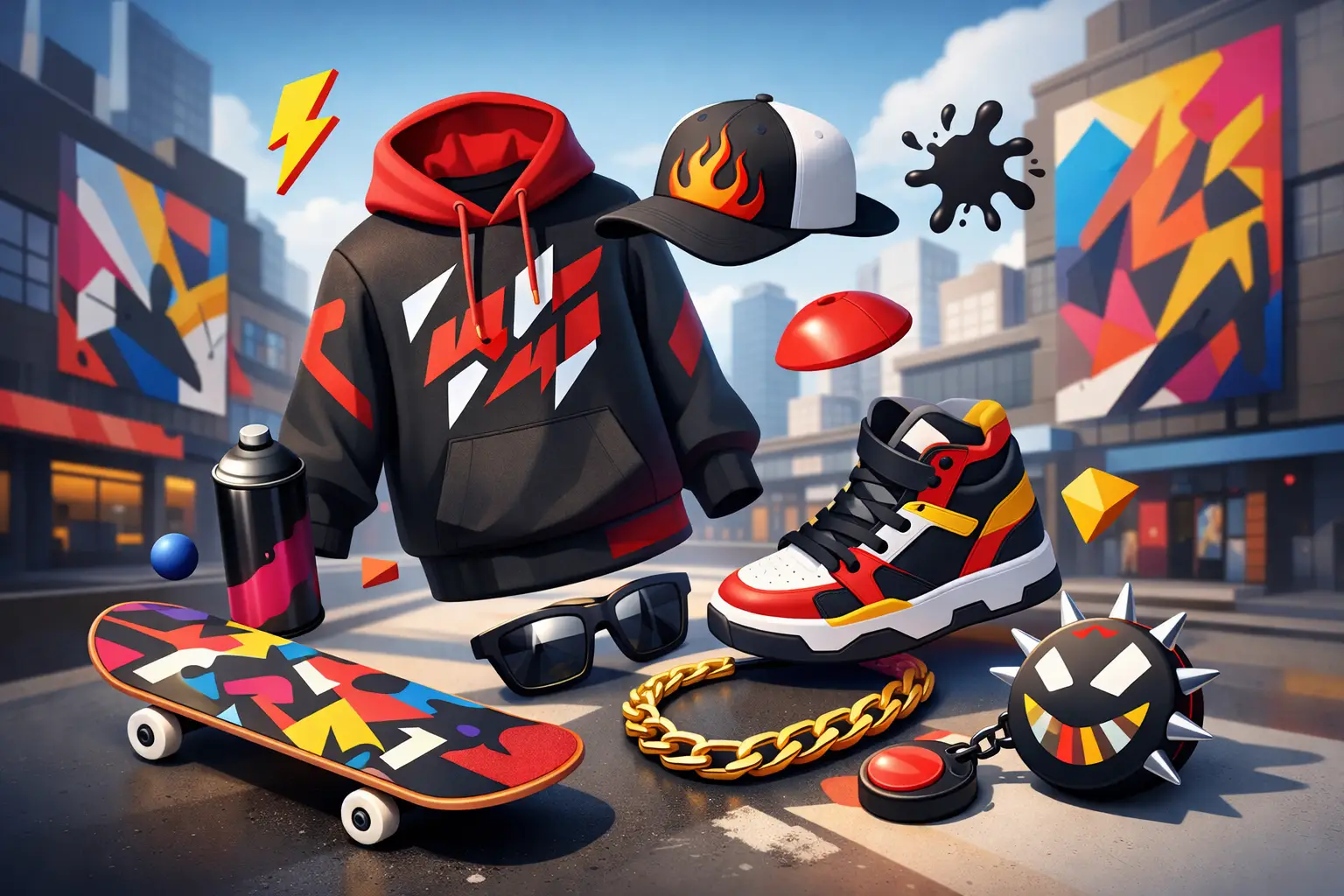
Why Bold Graphic Streetwear Hits Hard
Bold graphic streetwear turns clothes into statements. See why it stands out, how to wear it well, and what gives it real staying power.
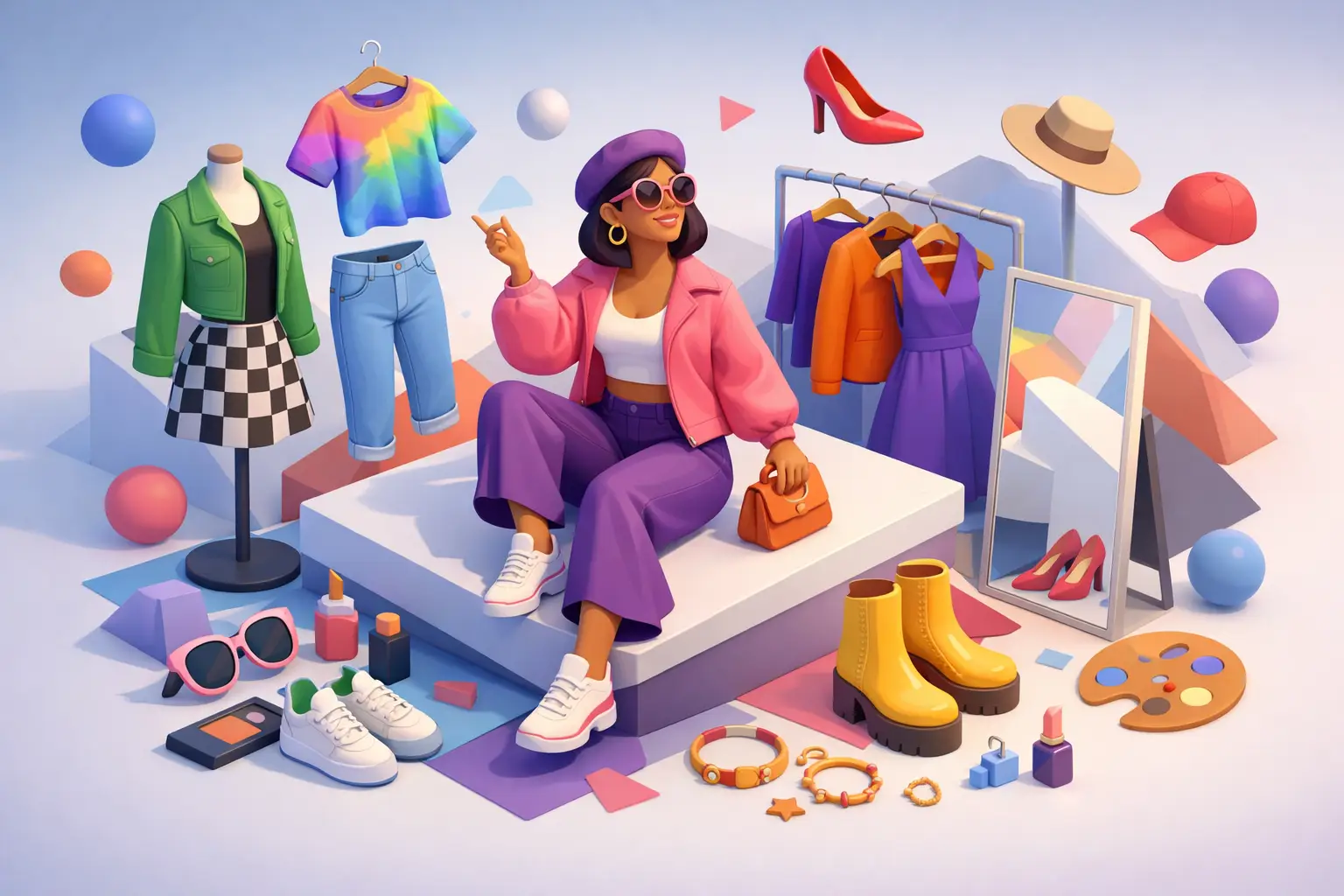
How to Express Yourself Through Fashion
Learn how to express yourself through fashion with streetwear-first style tips that feel personal, sharp, confident, and true to your identity.
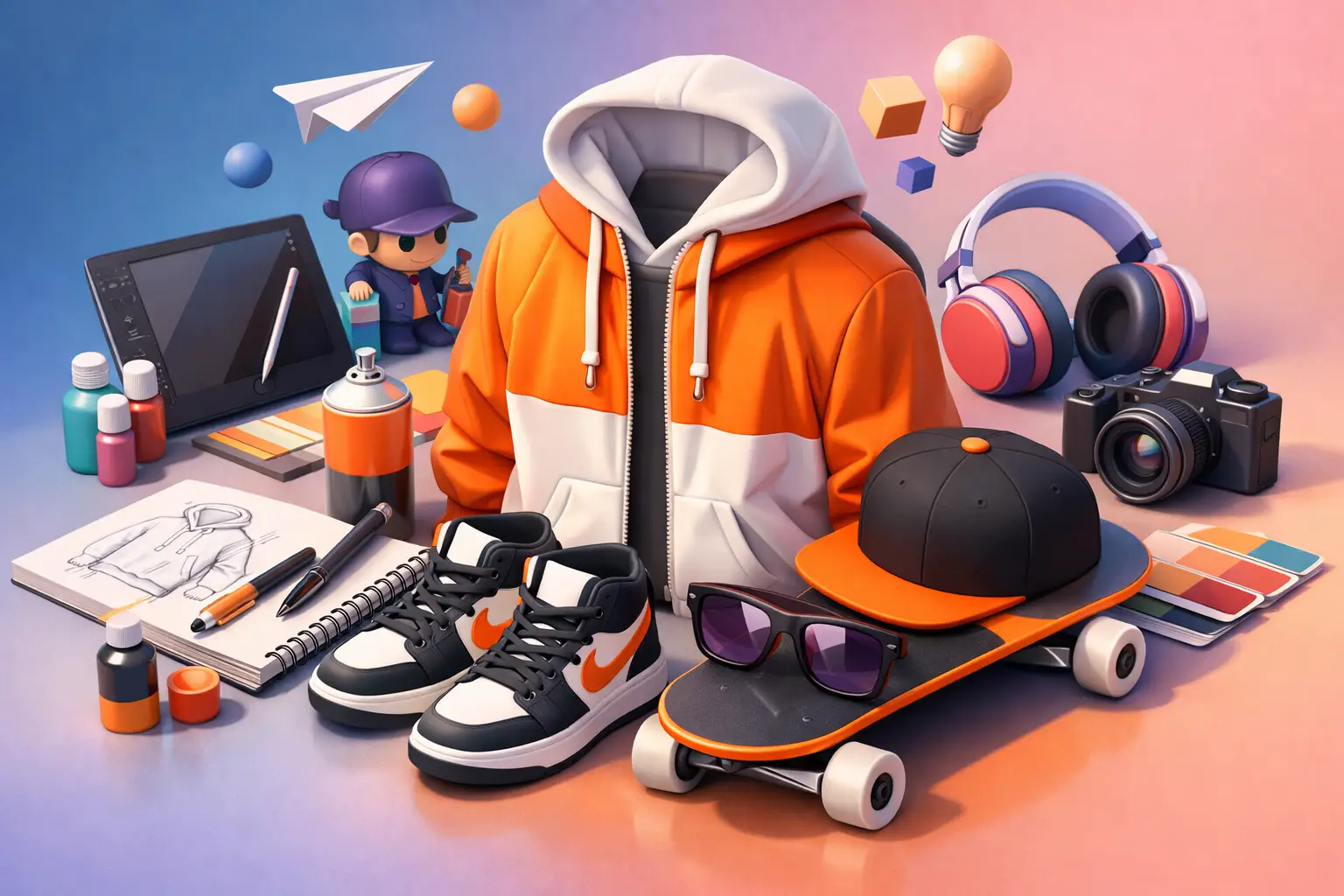
Streetwear for Creatives That Actually Speaks
Streetwear for creatives should do more than look good. It should carry your point of view, sharpen your identity, and move with your process.
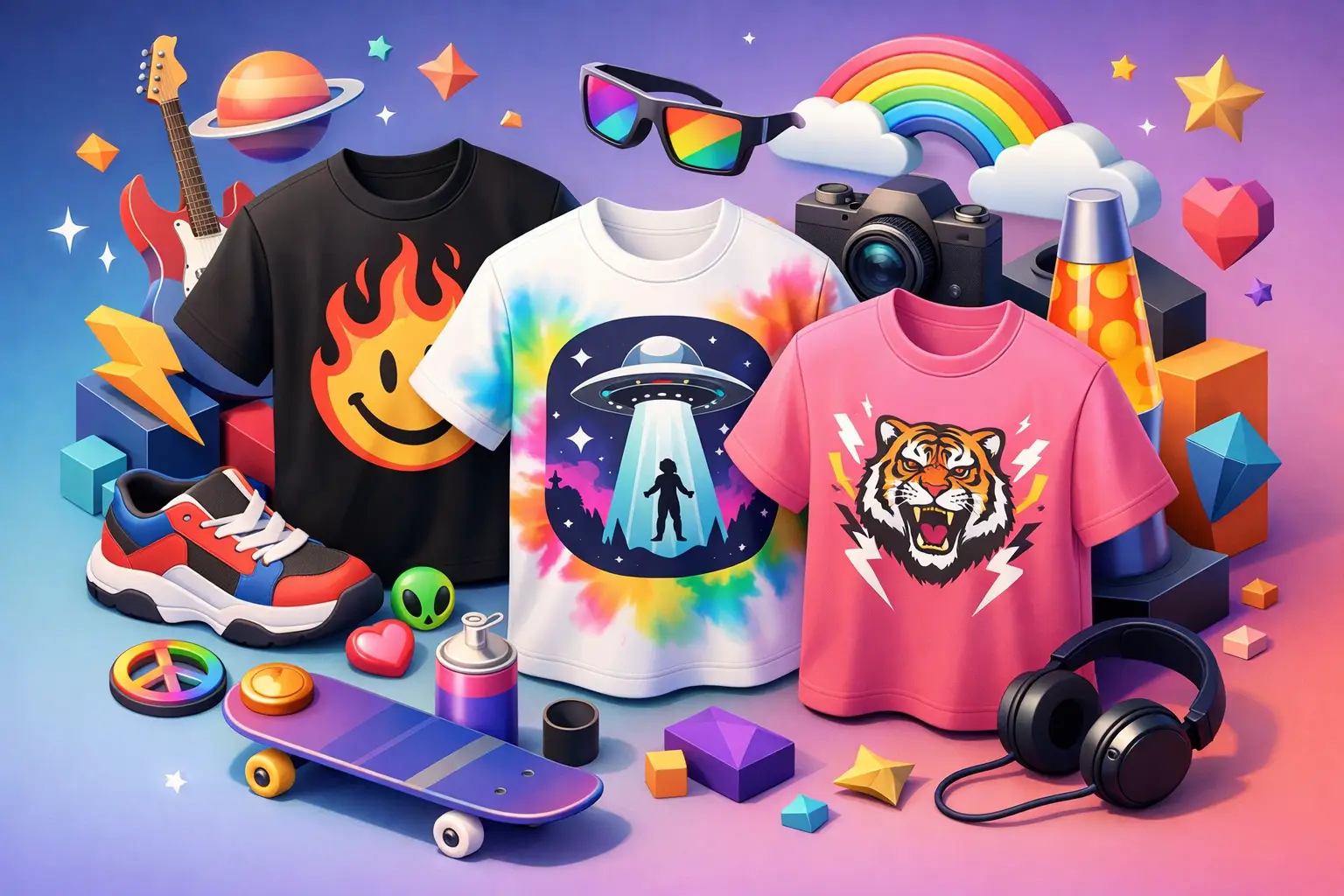
Why Graphic Tees for Self Expression Hit Hard
Graphic tees for self expression turn outfits into statements. See why they matter, how to style them, and what makes a tee feel personal.
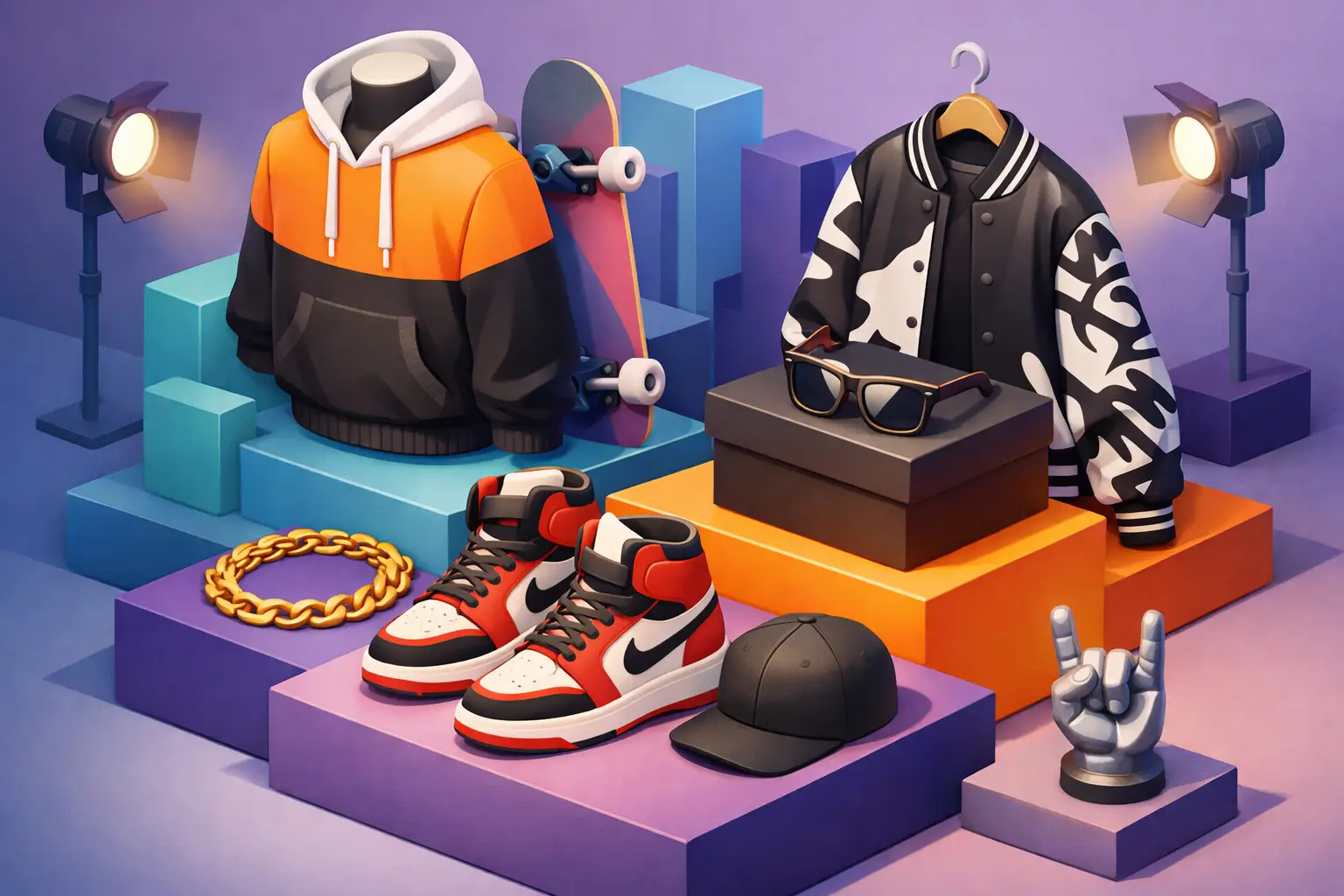
What Makes Statement Streetwear Brands Hit
Statement streetwear brands stand out by saying something real. Here’s what gives them edge, cultural weight, and lasting style now.
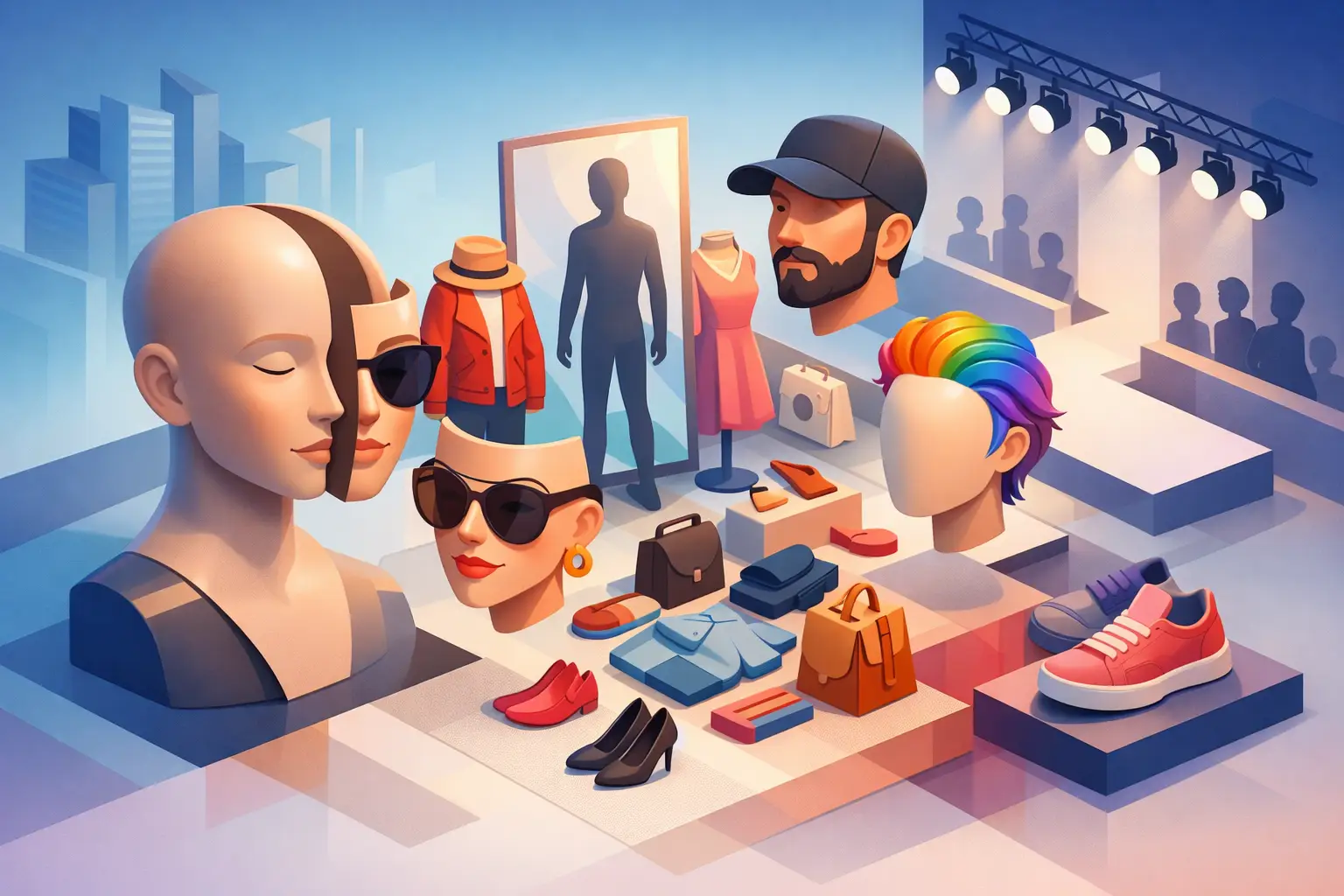
Why Identity Driven Fashion Hits Hard
Identity driven fashion turns clothing into a statement. See why style, values, culture, and attitude matter more than basic trends now.